Falling Farm Prices Threaten Rural Consumption
- 3 min read•
- 1,046•
- Last Updated: 18 Dec 2025 at 10:26 PM IST
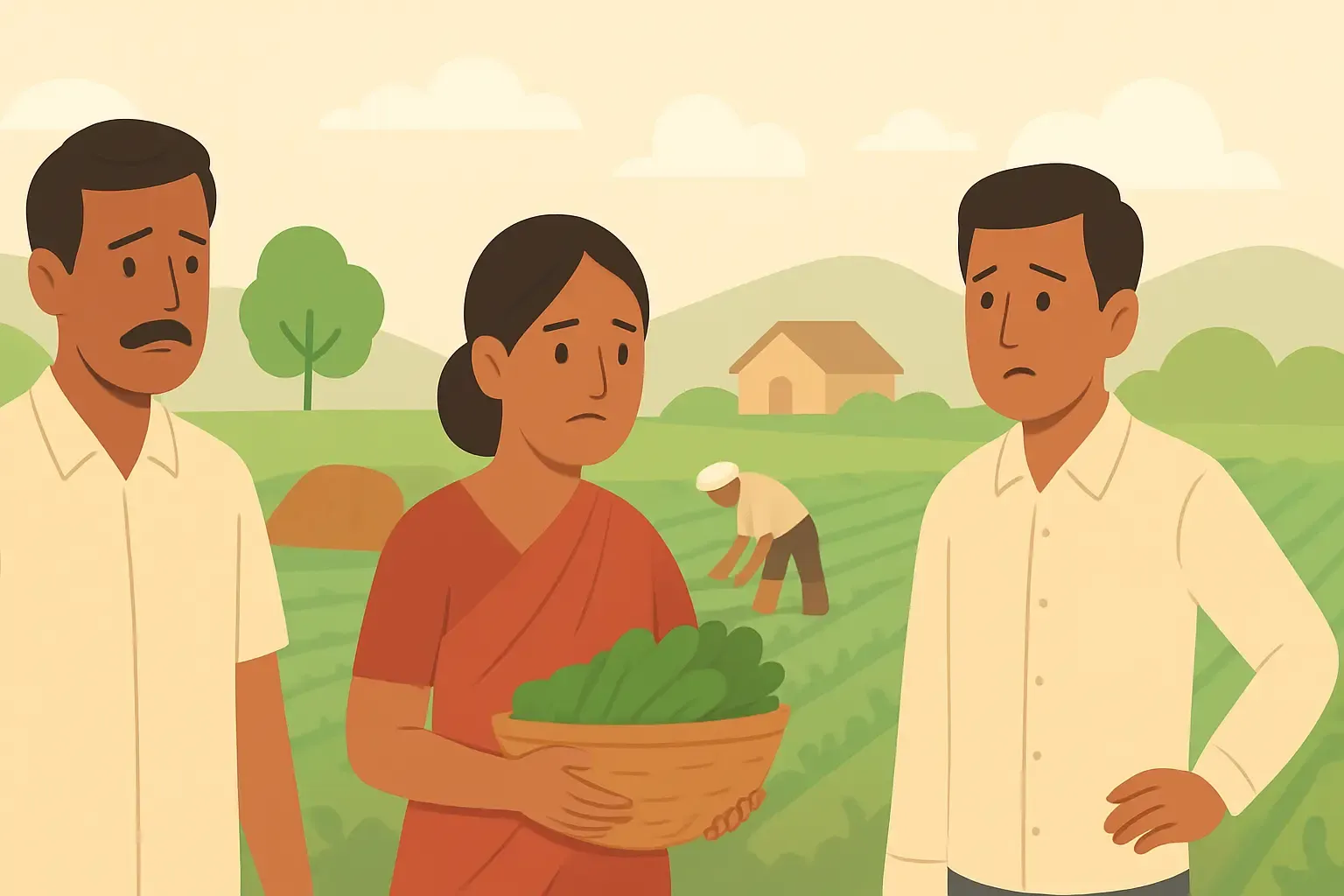
Rural India is feeling the impact of falling farmgate prices. Wholesale rates for many crops, including staples and vegetables, are much lower than a year ago. Rural inflation turned negative at –0.25 per cent in recent data. As incomes shrink, rural households may cut back on spending. Could this farm-price slump halt the recent uptick in rural consumption?
How Prices Are Squeezing Farm Incomes
Recent harvests, including the 2025 Kharif season, yielded lower returns for many farmers. Some crops suffered from weather damage, reducing yields. Even for harvests that yielded normal levels, wholesale prices for staples and vegetables remain near levels seen two years ago. That means many farmers are selling produce for little more than the cost of growing it.
Rising input costs make things worse. Fertiliser, fuel, diesel, and labour costs have gone up substantially over the last few years. For most crops, while production costs increased sharply, the sale price did not keep pace. As a result, profit margins per hectare have fallen consistently.
With weaker earnings from farming, rural households face shrinking disposable income. Lower farm income affects the ability to spend on non-essential items such as consumer goods, home appliances, or discretionary retail.
Why Is Rural Demand Growth At Risk?
Rural consumption had shown signs of revival earlier this year, driven partly by easing inflation and improved real incomes from non-farm income. A recent survey found that 75.9 per cent of rural households expect an increase in income over the next year.
But when farm incomes fall or remain stagnant, that optimism may not translate into demand. Nominal savings were already under pressure because food and input costs remain high. With falling returns from agriculture, many rural households may revert to saving or cutting non-essential spending rather than buying consumer goods.
For companies that rely heavily on rural demand, such as FMCG, apparel, two-wheelers, and consumer durables, this slowdown may hit sales growth. Especially value brands that target non-metro markets could see weakened demand.
How to Gauge Whether Rural Demand Slides Further Or Recovers?
The key thing to watch is crop-wise farmgate prices and wholesale prices for staples, vegetables, pulses, and edible oils. If these remain weak for another quarter or two, rural cash flow will stay strained.
Data on farm input costs, fertiliser, diesel, seed, and labour will also matter. If input inflation persists, farmers may cut sowing areas next season, lowering supply and raising future prices.
Rural credit flow and repayment of loans are yet another important indicator. When additional farmers borrow or default because of poor cash flow, the stress in the countryside may further increase.
Lastly, future crop production and price will be influenced by rainfall, monsoon prediction, and export demand for agricultural produce. Farm incomes can be boosted by a good monsoon or increased production in the rest of the world.
As the prices of farms are declining and the prices of inputs are increasing, will rural consumption begin to grow again, or will the drop in income trigger a more prolonged decline in demand?
Sources:
PIB Press Release
mint
The Times of India
The Financial Express